
How to Keep Fleet Branding Consistent Across Different Vehicle Models
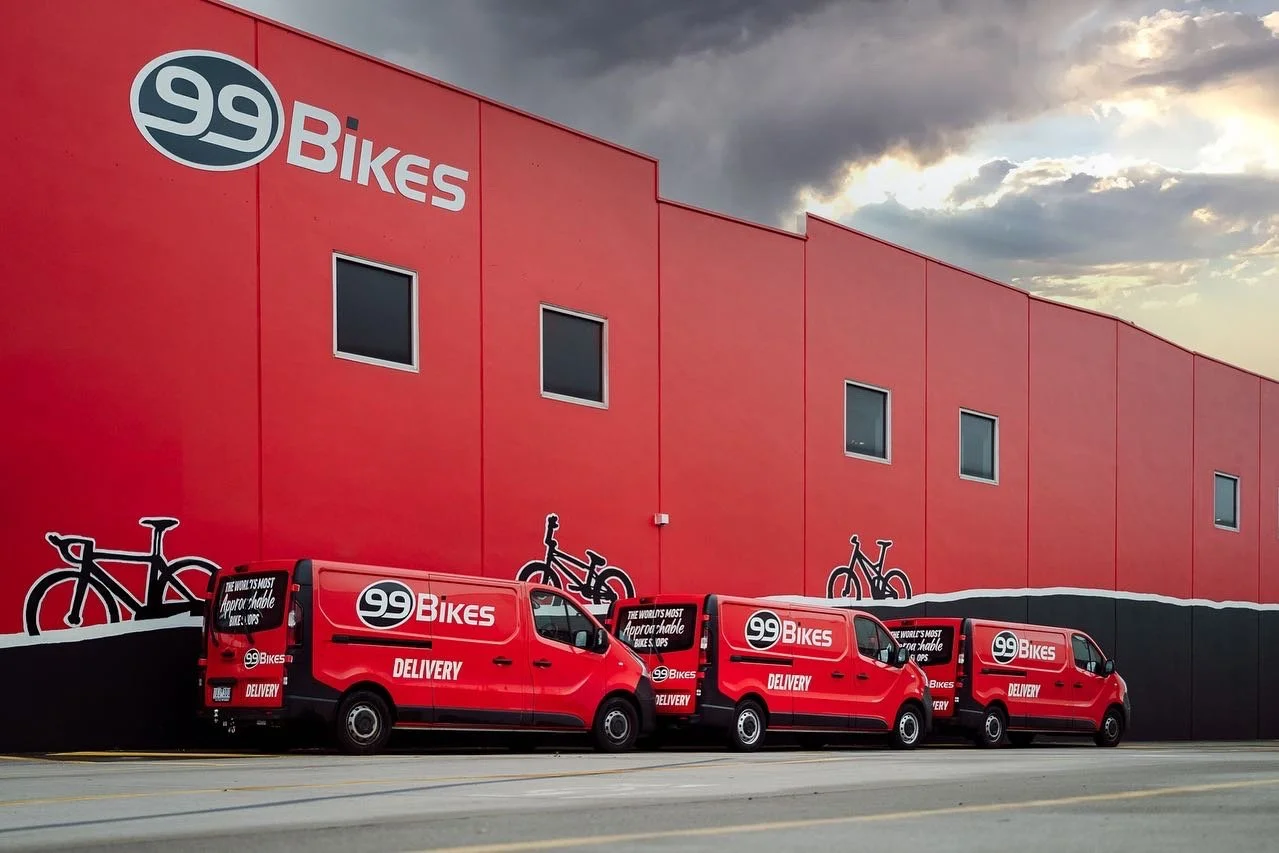
A fleet rarely consists of identical vehicles. A business may operate service cars, vans, utes, trucks and trailers, all with different panel shapes, body lines and usable spaces.
That creates a practical design challenge. The branding needs to look connected across the fleet, but the artwork cannot simply be copied and resized for every vehicle.
A well-planned fleet branding system keeps the important brand elements consistent while adapting the layout to suit each make and model. This gives the business a unified presence without forcing an unsuitable design onto vehicles with different proportions.
Quick Overview
Consistent fleet branding starts with a clear set of brand rules, not one artwork file stretched across every vehicle.
The strongest approach is to:
Define the elements that must remain consistent
Adapt each layout to the correct vehicle template
Keep the message hierarchy simple
Control colour and production standards
Review every vehicle before printing
Retain approved files for future additions
Why the Same Layout Does Not Work on Every Vehicle
A long-wheelbase van offers broad side panels and rear doors. A dual-cab ute may have less uninterrupted space because of windows, handles, wheel arches and a separate tray or canopy. A passenger vehicle has more curves and smaller areas for readable information.
Applying one layout to all of them can lead to oversized logos, contact details crossing panel joins, important wording disappearing around corners and different vehicles looking unrelated.
The aim is not to make every vehicle identical. It is to make every vehicle recognisably part of the same business.
1. Decide Which Brand Elements Must Stay Fixed
Start by identifying the elements that create recognition across the fleet.
These may include:
Logo treatment
Core brand colours
Typeface
Graphic style
Main service message
Phone number and website
Approved imagery or patterns
Not every element needs to sit in exactly the same position. The logo may appear on a front door on one vehicle and across a larger side panel on another. What matters is that the scale, colour, spacing and surrounding design feel intentional and connected.
A simple fleet branding guide can record these decisions before the artwork is adapted across several vehicles.
2. Adapt the Design Rather Than Resizing It
Vehicle artwork should be built on the correct template for each make, model and body type.
This allows the designer to account for:
Doors and sliding tracks
Windows and handles
Fuel caps and wheel arches
Body mouldings
Canopies, trays and toolboxes
Curved or recessed panels
The main design direction can remain the same, but the layout should change so the most important information sits in clear, usable areas.
For example, a large van may carry a service message across the side panel, while a smaller vehicle may need a shorter version with more detail placed at the rear. Both can still feel like part of one fleet.
3. Keep the Message Hierarchy Consistent
Mixed fleets often become inconsistent because each vehicle is treated as a separate opportunity to add more information.
One vehicle lists three services. Another lists ten. A third uses a different tagline or website placement. Over time, the fleet begins to look fragmented.
A clearer approach is to decide what people should understand first:
Who is the business?
What is the main service?
How can someone make contact?
Is there one approved trust signal worth including?
The available space may change, but the order of importance should remain consistent.
This also improves readability. Drivers and pedestrians have limited time to process vehicle graphics, so a short, controlled message is usually more useful than filling every available panel.
4. Plan for Colour Consistency
Brand colours can appear different across separate production runs if the files, materials or print settings are not controlled.
Consistency is easier when the production team retains approved colour references, final artwork, material specifications, printer profiles and notes from the original production.
Vehicle paint colour also affects the finished result, especially with partial wraps and decals. A design placed on a white van may need a different treatment when applied to a black ute, even when the same brand colours are used.
This should be considered during design, not after the graphics have been printed.
5. Review Every Vehicle Before Production
Each layout should be proofed individually.
The review should confirm:
Correct vehicle make, model and year
Accurate template
Logo placement
Contact details and service wording
Door openings and panel joins
Side and rear visibility
Consistency with the approved fleet direction
Where practical, starting with one pilot vehicle can help confirm the result before a larger rollout continues.
The pilot may reveal that a phone number needs to be larger or a graphic needs to move away from a handle. Correcting this early is easier than repeating the same issue across several vehicles.
6. Keep Approved Files for Future Vehicles
Fleet consistency is not only a concern during the first rollout.
Vehicles are replaced, new models are added, panels are repaired and business information changes. Without organised records, future graphics may be recreated from screenshots, old photos or incomplete artwork.
Retaining approved files creates a reliable starting point for:
New or replacement vehicles
Damaged panels
Updated phone numbers or websites
New service divisions
Additional branches
Gradual fleet expansion
The artwork may still need to be adapted to a new model, but the approved colours, hierarchy and visual direction remain clear.
7. Allow Different Levels of Coverage
Consistency does not mean every vehicle needs the same amount of wrapping.
A business might use full wraps on high-visibility vehicles, partial wraps on service vans and decals on support vehicles. The treatment can change while the brand system stays connected.
This gives businesses more flexibility when vehicles have different roles, operating environments or replacement schedules.
The coverage decision should support the vehicle and its role without changing the overall fleet identity.
Fleet Branding Consistency Checklist
Before approving a mixed fleet, confirm that:
Every layout uses the approved logo
Colours and typography match
The main message is consistent
Contact details are current
Each design fits the correct vehicle
Important text avoids doors, handles and joins
Side and rear visibility have been checked
Production files are clearly named and stored
Future vehicles can be added without restarting the process
Common Questions
Can different vehicle colours still look consistent?
Yes. The layout may need to change slightly to maintain contrast, particularly with partial wraps or decals. The core colours, logo treatment, typography and message hierarchy can still remain consistent.
Should every vehicle list the same services?
Usually, the main message should remain consistent. Vehicles with different operational roles may need some variation, but those changes should be controlled so the fleet does not look disconnected.
Can an Existing Fleet Be Made More Consistent?
Yes. Existing artwork, vehicle photos and brand files can be reviewed to identify where the layouts differ. The branding can then be standardised as vehicles are updated, replaced or rewrapped.
Build One Brand System Across the Fleet
Consistent fleet branding comes from planning the whole system, then adapting it carefully to each vehicle.
Drive Creative manages fleet branding design, print and installation in-house for businesses operating multiple commercial vehicles. Approved artwork, templates and production references can also be retained to support future additions and replacement graphics.
Learn more about Fleet Branding or contact Drive Creative with your vehicle count, makes, models and preferred timing.
Branding one van or ute rather than managing a coordinated fleet? Explore Trade & Service Vehicle Branding.
