
Full Wrap vs Partial Wrap vs Decals: Which Is Right for Your Work Vehicle?
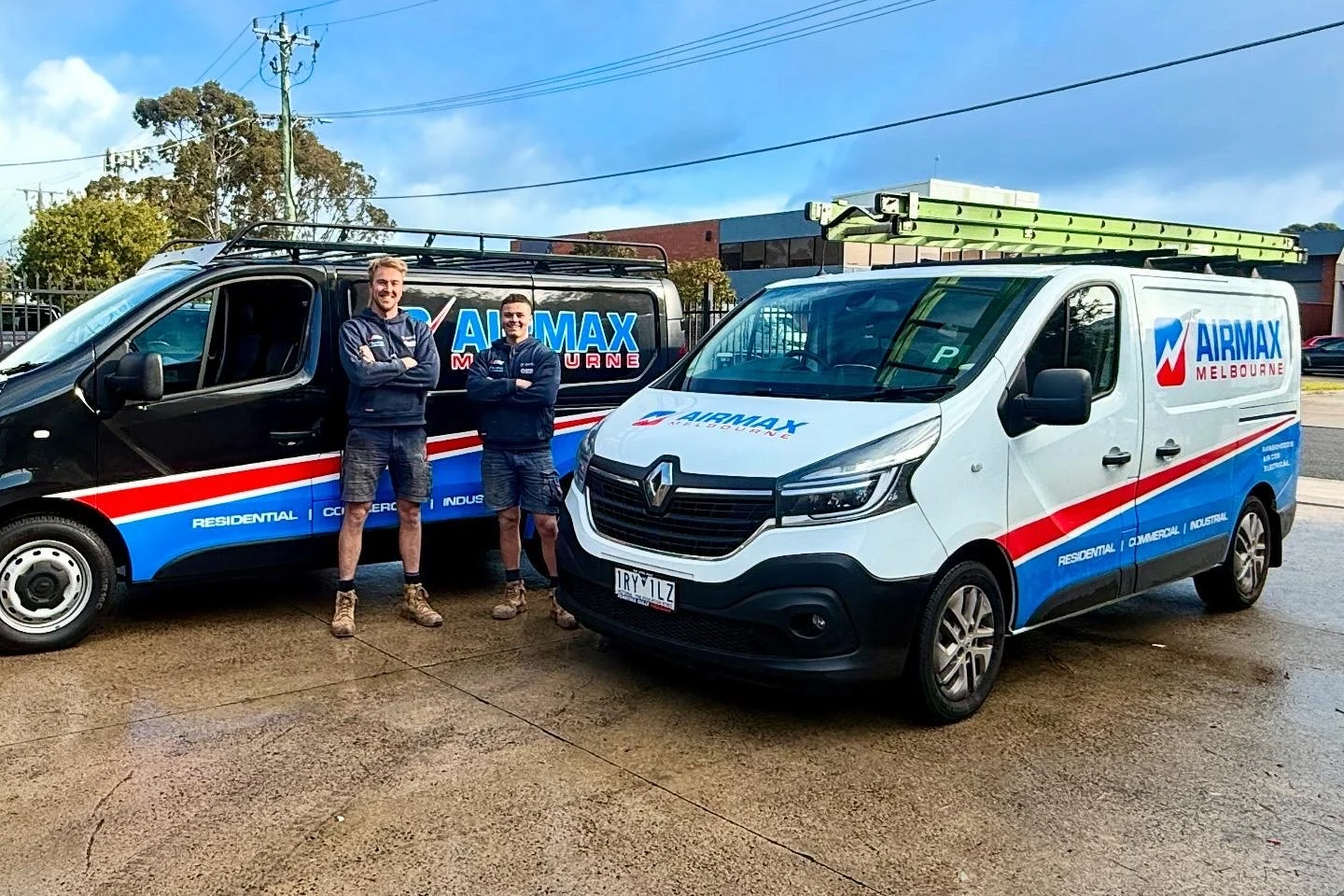
Branding a work vehicle does not always mean covering every panel.
A full wrap can completely transform the vehicle, while a partial wrap can create strong visual impact by working with the existing paint colour. Decals offer a simpler way to display a logo, contact details and essential service information.
The right option depends on the vehicle, the business and what customers need to understand when they see it.
Quick Overview
Choose a full wrap when you want broad coverage, a major visual change or greater control over the vehicle’s overall appearance.
Choose a partial wrap when the existing paint colour suits the design and you want a strong branded result using selected areas of the vehicle.
Choose decals and cut graphics when the vehicle only needs clear business identification and essential contact information.
Before deciding, consider:
The vehicle’s colour and condition
How visible the vehicle needs to be
The amount of information required
How long you plan to keep the vehicle
Whether future vehicles will need to match
The available project budget
What Is a Full Vehicle Wrap?
A full wrap uses printed or coloured film across most of the vehicle’s painted exterior surfaces.
It gives the designer greater control over the overall appearance because the original paint colour plays a much smaller role in the finished result.
A full wrap may be suitable when:
The vehicle colour does not suit the brand
A strong visual transformation is required
The design uses large graphics or imagery
The vehicle needs to stand out in busy environments
Several vehicles need a coordinated appearance
The business wants to use most available panels
Full wraps can work well for vans and larger vehicles because they provide broad areas for colour, graphics and messaging.
However, more coverage does not automatically create a better design. The layout still needs a clear hierarchy so the business name, main service and contact information remain easy to read.
What Is a Partial Vehicle Wrap?
A partial wrap covers selected parts of the vehicle rather than most exterior panels.
The design may use the doors, rear panels, bonnet, lower sections or another combination of areas. The existing vehicle colour becomes part of the design rather than being completely covered.
A partial wrap may be suitable when:
The vehicle colour already works with the brand
The business wants a strong result without full coverage
A clear section of the vehicle provides enough design space
The design can transition naturally into the original paint
Several vehicles need coordinated graphics at different coverage levels
A well-designed partial wrap should look intentional. It should not appear as though sections of a full wrap have simply been removed.
The transitions between printed graphics and exposed paint need to suit the body shape, panels and contours of the vehicle.
What Are Vehicle Decals and Cut Graphics?
Decals use printed or cut vinyl to display selected information without creating a broader wrapped design.
They may include:
Business name and logo
Phone number
Website
Main service
Licence or accreditation details
Simple stripes or brand elements
Decals may be suitable when:
The vehicle already matches the brand colour
Only a small amount of information is required
The business prefers a simple, understated presentation
The vehicle is used in a role that does not require extensive graphics
Several support vehicles need basic identification
Decals are often effective when the information is carefully prioritised. Problems arise when businesses try to fit a complete service list, multiple phone numbers, social media details and several trust messages into a small space.
Simple graphics still need professional layout, sizing and placement.
Full Wrap, Partial Wrap or Decals?
Full Wrap
Best suited to:
Major visual transformations
High-impact branding
Large graphics or imagery
Vehicles in colours that do not suit the brand
Businesses wanting broad control over the finished appearance
Things to consider:
More vehicle preparation may be required
The design needs to work across many panels
Installation generally involves more time than simpler applications
Vehicle condition should be reviewed before production
Partial Wrap
Best suited to:
Vehicles with a suitable existing colour
Strong branding using selected areas
Businesses wanting a balance between impact and coverage
Designs that can work naturally with body lines and paintwork
Things to consider:
The existing paint becomes part of the design
Poorly planned transitions can make the result feel unfinished
Different vehicle colours may require different artwork treatment
Decals and Cut Graphics
Best suited to:
Simple business identification
Clean logo and contact-detail applications
Support vehicles
Businesses that prefer restrained branding
Vehicles with a suitable paint colour
Things to consider:
Available space is limited
Too much text can reduce readability
The result depends heavily on hierarchy, scale and placement
Start With What Customers Need to Understand
Before choosing the coverage, decide what the vehicle needs to communicate.
In most cases, people should be able to understand four things quickly:
The business name
The main service
How to contact the business
One relevant trust signal, where appropriate
The vehicle does not need to explain everything the business offers.
A plumber may want to list plumbing, gas fitting, blocked drains, hot water, emergency work and renovations. On the road, that may create too much information.
A clearer design may lead with the business name and one broad service description, then use the website or phone number as the next step.
The right coverage option should support this message rather than encouraging unnecessary content.
Consider the Existing Vehicle Colour
Vehicle colour can significantly affect the decision.
A white van provides a flexible base for partial wraps and decals. A dark or highly distinctive colour may limit contrast or require broader coverage to achieve the intended brand appearance.
For businesses with several vehicles, colour differences also need to be considered.
A fleet containing white vans, black utes and silver service cars may use different coverage levels while retaining the same logo treatment, typography and overall visual direction.
The artwork should be adapted rather than copied without adjustment.
Check the Vehicle Condition
Wrap film and graphics rely on the condition of the surface underneath.
Before production, the vehicle should be checked for:
Peeling or failing paint
Rust
Major scratches or dents
Previous graphics and adhesive
Recent repairs
Resprayed panels
Accessories that affect installation
A wrap is not a repair for poor paint or damaged bodywork.
Issues should be identified early so the client understands whether preparation, repairs or graphic removal may be needed before installation.
Think About How Long You Will Keep the Vehicle
A business planning to keep a vehicle for several years may approach the design differently from a business replacing it soon.
It is also useful to consider whether:
The business details are likely to change
More vehicles will be added
The vehicle may be reassigned
The branding needs to match an existing fleet
Individual panels may need replacement later
For growing businesses, retaining approved artwork, vehicle templates and production references can make future additions easier.
The Right Choice May Be a Combination
Businesses do not always need to choose one coverage level for every vehicle.
A coordinated group could use:
Full wraps on high-visibility vans
Partial wraps on trade utes
Decals on support vehicles
Matching rear graphics across the entire group
The vehicles can still feel connected when the brand colours, logo treatment, typography and message hierarchy remain consistent.
This is especially useful when different vehicles have different roles or are introduced at different stages.
Questions to Answer Before Requesting a Quote
Prepare the following information before discussing the project:
Vehicle make, model and year
Current vehicle photographs
Existing paint colour and condition
Preferred coverage, if known
Logo and brand files
Main service message
Phone number and website
Required completion timing
Whether other vehicles need to match
Any existing graphics that need removal
You do not need to decide everything before making contact. Clear vehicle details and project goals give the design team a useful starting point.
Choose the Coverage That Supports the Business
A full wrap is not automatically better than a partial wrap, and a partial wrap is not always more suitable than decals.
The strongest option is the one that fits the vehicle, communicates clearly and creates the right level of visibility for the business.
Drive Creative manages trade and service vehicle branding from design through to print and installation.
Explore Trade & Service Vehicle Branding or contact Drive Creative with your vehicle details, current photographs and preferred timing.
Managing several vehicles as one coordinated program? See Fleet Branding.
