
How to Rebrand a Working Fleet Without Taking Every Vehicle Off the Road
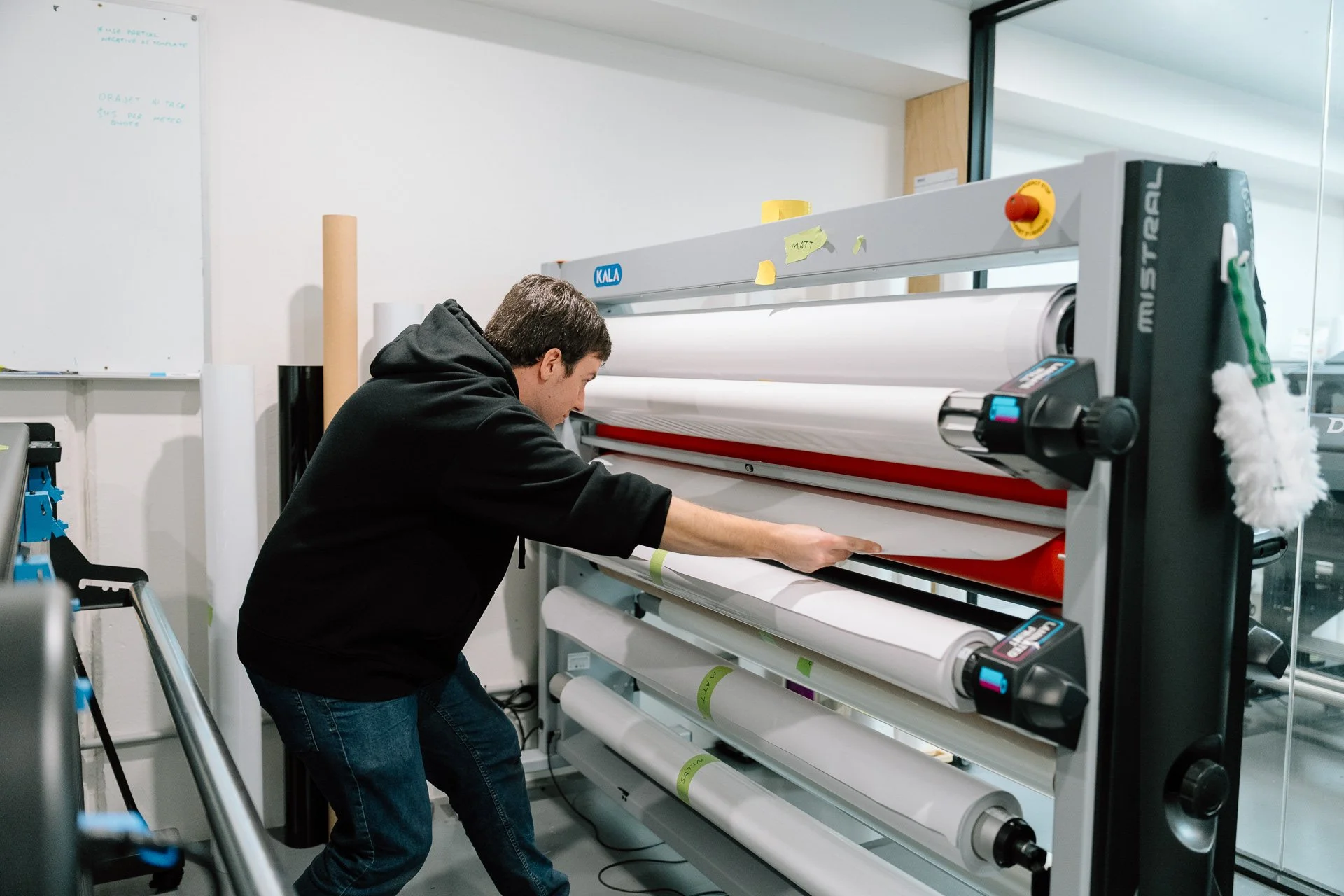
Rebranding a fleet sounds simple until the vehicles still need to do their everyday jobs.
Service vans have appointments. Utes are needed on sites. Delivery vehicles have routes to complete. Taking an entire fleet off the road at the same time may create more disruption than the branding project itself.
A better approach is to treat the rebrand as a staged rollout. By organising the fleet, finalising the artwork, completing a pilot vehicle and then scheduling the remaining installations around operational needs, a business can update its branding progressively while keeping essential vehicles on the road.
At a Glance
A practical fleet rebrand usually involves:
Creating an accurate list of every vehicle
Confirming the final brand direction before production begins
Completing a pilot vehicle before the wider rollout
Using the pilot to confirm material usage and installation time
Identifying artwork or vehicle issues before they are repeated
Adapting approved artwork to each make and model
Scheduling the remaining vehicles in manageable stages
Planning removal of existing graphics where required
Keeping approved artwork and production records for future vehicles
The goal is not necessarily to complete every vehicle at the same time. It is to move the fleet from the old identity to the new one in a controlled way.
Start With a Complete Vehicle List
Before deciding which vehicle should be completed first, establish exactly what is in the fleet.
For each vehicle, record:
Make and model
Year
Body type
Existing paint colour
Current branding
Operating location
Typical availability
Expected replacement date
Any known paint or bodywork concerns
Current photographs are also useful.
This may identify vehicles that do not need to be included immediately. A vehicle due to be replaced soon, for example, may be better handled when the replacement arrives.
It can also reveal differences between vehicles that initially appear identical. Different model years, wheelbases, canopies and body configurations may require separate artwork.
Finalise the Brand System Before the Rollout
A staged rollout works more smoothly when the core branding is settled before production begins.
That includes:
Logo treatment
Brand colours
Typography
Main service message
Phone number and website
Graphic style
Required licence or accreditation details
Any division or location variations
Making major design changes halfway through a rollout can leave earlier vehicles looking different from later ones.
That does not mean every vehicle needs identical artwork. A van and a ute may require different layouts, but both should follow the same approved visual system.
For more on adapting one brand system across different vehicle types, see Drive Creative's Fleet Branding service.
Complete a Pilot Vehicle Before the Wider Rollout
For a larger fleet rebrand, a pilot vehicle should be completed before the remaining vehicles are scheduled.
Artwork proofs are important, but the first finished vehicle provides information that cannot always be confirmed accurately on screen.
The pilot allows the design and installation team to check:
How the artwork fits the actual vehicle
Material usage
Installation time
Logo size and placement
Message readability
Colour and finish
Doors, handles and panel joins
Any unexpected vehicle or artwork issues
If something needs to change, it can be corrected before the same issue is repeated across multiple vehicles.
The pilot also provides a much stronger basis for planning the rest of the rollout.
Once the first vehicle is complete, material requirements and installation time can be calculated more accurately. This helps establish the labour required for each vehicle type, supports more reliable pricing and makes it easier to schedule the remaining fleet around real installation requirements rather than estimates.
Use the Pilot to Plan the Remaining Fleet
Once the pilot vehicle has been reviewed, the wider rollout can be planned with much more certainty.
If the fleet contains several makes or models, the approved direction may still need to be adapted to each vehicle type.
The rollout can then account for:
Material requirements
Expected installation time
Vehicle availability
Different makes and models
Existing graphic removal
Operational priorities
Any preparation identified during the pilot stage
This gives the business and production team a clearer understanding of how many vehicles can realistically be completed within each stage.
Prioritise Vehicles Around the Business
There is no reason to simply work through the fleet in registration order.
A more practical sequence considers how the vehicles are actually used.
Priority may be given to:
Vehicles that are readily available
High-visibility customer-facing vehicles
New vehicles arriving without existing graphics
A vehicle type that makes up a large part of the fleet
Vehicles carrying outdated information
Vehicles that can be released without affecting important work
Essential vehicles that are difficult to release can be scheduled around quieter periods or when another vehicle can cover their workload.
If the business operates from several locations or teams, completing one group at a time may also make sense.
Break the Rebrand Into Manageable Stages
A fleet rebrand does not need to involve one large installation booking.
Once the pilot has established the production and installation requirements, the remaining vehicles can be completed in manageable stages.
Depending on the fleet, this may mean:
One vehicle at a time
Several similar vehicles together
One vehicle type at a time
By branch or operational team
Around planned servicing or downtime
As new or replacement vehicles arrive
The right structure depends on how many vehicles the business can release without affecting day-to-day operations.
A service business may only be able to release one van at a time. Another organisation may be comfortable scheduling several vehicles together on selected days.
The important part is identifying those limits before the wider rollout is booked.
Prepare Vehicle-Specific Artwork Before Each Booking
Even when the overall design has been approved, different vehicles may need individual artwork.
Preparing and approving those layouts before the vehicle arrives helps keep the rollout moving.
It also provides an opportunity to identify issues such as:
A different vehicle model or variant
A canopy changing the available space
Existing graphics requiring removal
Important information crossing a panel join
A different paint colour affecting the design
Accessories that change where graphics can be applied
Accurate vehicle details and current photographs help reduce last-minute changes.
Allow for Existing Graphics and Vehicle Preparation
Rebranding an existing fleet often means removing previous graphics before the new branding can be installed.
That needs to be included in the schedule.
Existing graphics can behave differently depending on their age, material, exposure and the condition of the surface underneath. Removing them may also reveal paint or bodywork issues that were not visible beforehand.
3M Australia's fleet graphics guidance notes that vehicle graphics can be changed and removed without the longer process associated with repainting a vehicle.
The actual preparation and removal time still depends on the individual vehicle and its existing graphics.
Where older or previously wrapped vehicles are involved, identifying these conditions before the installation date can help avoid delays.
Manage the Transition Between Old and New Branding
A staged rebrand usually means there will be a period when some vehicles carry the new branding while others still display the old version.
That is not necessarily a problem, but it should be managed.
Where possible:
Keep old branding presentable until each vehicle is updated
Prioritise vehicles carrying outdated contact information
Avoid changing key details halfway through the rollout
Remove obsolete campaign or service information as vehicles are updated
Keep staff informed about the rollout order
A complete business rename may require tighter coordination than a visual refresh where the company name and contact details remain unchanged.
The transition should look planned rather than forgotten.
Keep Production Records as the Fleet Changes
The initial rollout is rarely the last time the branding will be needed.
Fleet vehicles are eventually:
Replaced
Added
Damaged
Reassigned
Updated with new business information
Keeping approved artwork, vehicle templates, colour references and production details provides a reliable starting point for future work.
When a replacement vehicle arrives, the established branding can be adapted to the new vehicle rather than recreated from photographs of an existing one.
This is particularly useful for businesses that grow or replace their fleet gradually.
Leave Some Flexibility in the Schedule
Even a well-planned rollout can change.
A vehicle may suddenly be required for work. A new delivery may arrive late. Repairs may affect availability.
Avoid creating a schedule that depends on every vehicle becoming available exactly when expected.
Where practical, another suitable vehicle may be brought forward if a planned booking changes.
The rollout should work around the business rather than forcing the business to stop operating for the sake of the rebrand.
What to Prepare Before Requesting a Fleet Rebrand Quote
Useful starting information includes:
Total number of vehicles
Makes, models and years
Vehicle locations
Current photographs
Existing graphic details
New brand files or guidelines
Required coverage
Vehicle availability
Important operating days or periods
Target completion timeframe
Vehicles due for replacement
Any known bodywork or paint concerns
An accurate vehicle list gives the project a useful starting point. The pilot vehicle can then establish the material, labour and installation requirements needed to plan the wider rollout.
Rebrand the Fleet Around the Business, Not the Other Way Around
A fleet rebrand does not need to mean taking every working vehicle off the road at the same time.
A controlled rollout starts with accurate fleet information and an approved brand direction, followed by a pilot vehicle that confirms how the design performs on the actual vehicle and establishes the material, labour and installation requirements for the project.
The remaining fleet can then be completed in manageable stages around vehicle availability and business operations.
Drive Creative manages commercial fleet branding from design and print production through to installation and ongoing fleet support.
If you are preparing to rebrand an existing fleet, contact Drive Creative with your vehicle list, current photos and preferred timing to start planning the rollout.
